
Bed Bugs vs Dust Mites on Your Mattress: How to Identify, Treat & Get Rid of Both
Your mattress is one of the most important parts of your bedroom, but it can also collect dust, moisture, skin particles, and other unwanted allergens over time. Two common concerns are bed bugs and dust mites. Although both can be found around sleeping areas, they are very different pests and require different approaches to control.
Knowing how to identify bed bugs versus dust mites can help you take the right steps to keep your mattress and bedroom clean, comfortable, and hygienic.
What Are Bed Bugs?
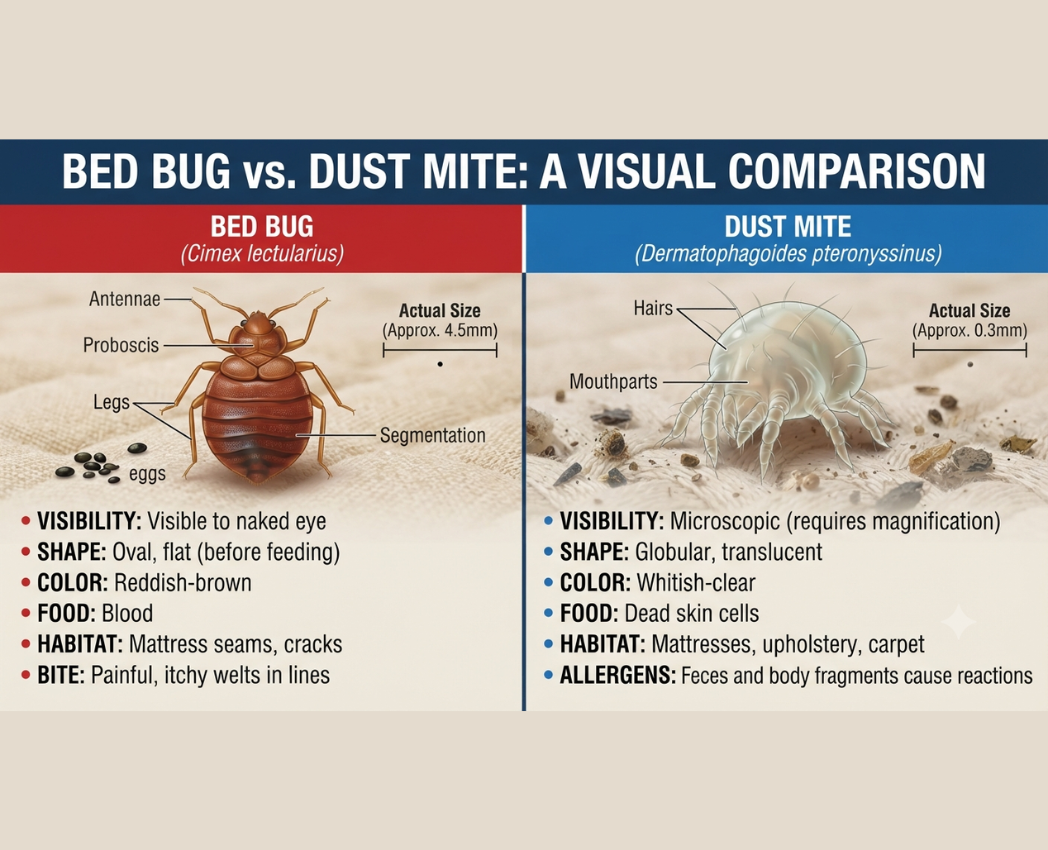
Bed bugs are small, reddish-brown insects that feed on blood. They are approximately the size of an apple seed when fully grown and can hide in mattress seams, bed frames, cracks, and other dark areas around the bedroom.
Bed bugs are not caused by poor hygiene. They can enter a home through luggage, clothing, used furniture, or other items.
Common Signs of Bed Bugs
Look for these signs around your mattress and bed frame:
- Small reddish-brown insects
- Tiny dark spots on mattress seams or bedding
- Small blood stains on sheets
- Shed insect skins or eggs
- Unusual musty or sweet odor in severe infestations
- Small itchy bites, although bites alone cannot confirm bed bugs
If you notice several of these signs, inspect your mattress seams, bed frame joints, and nearby furniture carefully.
What Are Dust Mites?
Dust mites are microscopic organisms that commonly live in household dust and soft furnishings. Unlike bed bugs, they do not bite people or feed on blood.
Dust mites primarily feed on dead skin particles. Their bodies and waste can become allergens for some people, potentially triggering symptoms such as sneezing, a runny nose, itchy eyes, or respiratory irritation.
Because dust mites are microscopic, you generally cannot see them on your mattress with the naked eye.
Bed Bugs vs Dust Mites: What’s the Difference?
Feature | Bed Bugs | Dust Mites |
Size | Visible to the naked eye | Microscopic |
Appearance | Small, flat, reddish-brown insects | Microscopic, spider-like organisms |
Feed On | Blood | Dead skin particles |
Bite Humans | Yes | No |
Common Concern | Bites and infestation | Allergic reactions |
Where They Hide | Mattress seams, frames, cracks | Mattresses, pillows, carpets, upholstery |
Understanding this difference is important because the treatment for one will not necessarily solve the other.
How to Check Your Mattress for Bed Bugs
If you suspect bed bugs, start with a thorough inspection.
1. Check Mattress Seams
Remove your bedding and carefully examine the seams, edges, corners, and labels of your mattress. Use a flashlight to inspect dark areas.
2. Inspect the Bed Frame
Don’t only inspect the mattress. Bed bugs can hide in joints, screw holes, gaps, and cracks in the bed frame.
A metal bed frame can be easier to visually inspect because it generally has fewer fabric-covered hiding areas than upholstered furniture.
3. Look for Dark Spots
Small dark stains around mattress seams or nearby surfaces can be a warning sign. However, stains alone aren’t enough to confirm an infestation.
4. Check Nearby Furniture
Inspect bedside tables, sofas, storage areas, and other furniture close to the bed.
If you find live bed bugs or strong evidence of an infestation, professional pest control may be necessary.
How to Reduce Dust Mites on Your Mattress
You cannot completely eliminate dust mites from a home, but you can reduce their presence and exposure.
Wash Bedding Regularly
Wash sheets, pillowcases, and other washable bedding regularly according to their care instructions. Using appropriately hot washing and thorough drying can help reduce dust mites and allergens.
Vacuum Regularly
Vacuum mattresses, carpets, floors, and upholstered furniture regularly. Pay particular attention to areas around the bed.
A vacuum cleaner with effective filtration can help reduce dust and allergens.
Use Mattress and Pillow Covers
Allergen-resistant mattress and pillow covers can help create a barrier between you and dust mites and their allergens.
Keep Humidity Under Control
Dust mites thrive in warm, humid environments. Keeping indoor humidity at a lower, comfortable level can help make the environment less favorable for them.
How to Get Rid of Bed Bugs
Bed bug infestations can be difficult to eliminate because the insects can hide in very small spaces.
Start by washing and drying bedding and clothing appropriately. Thoroughly inspect and clean the sleeping area, including the mattress, bed frame, and surrounding furniture.
Avoid simply moving the mattress or bed to another room, as this can potentially spread the infestation.
For an established infestation, professional pest control is often the most reliable approach. Follow the pest-control provider’s preparation and treatment instructions carefully.
How to Keep Your Mattress Cleaner
Regular mattress maintenance can help create a cleaner sleeping environment.
Here are some simple habits to follow:
- Change and wash bedding regularly.
- Vacuum the mattress surface periodically.
- Use a suitable mattress protector.
- Keep the bedroom well ventilated.
- Control excessive indoor humidity.
- Avoid eating and drinking directly on the bed.
- Inspect mattress seams occasionally.
- Clean the area underneath and around the bed.
- Follow the mattress manufacturer’s cleaning instructions.
Why Your Bed Frame Matters Too
When maintaining a clean sleeping environment, don’t focus only on the mattress. Your bed frame can also collect dust and provide hiding places for insects.
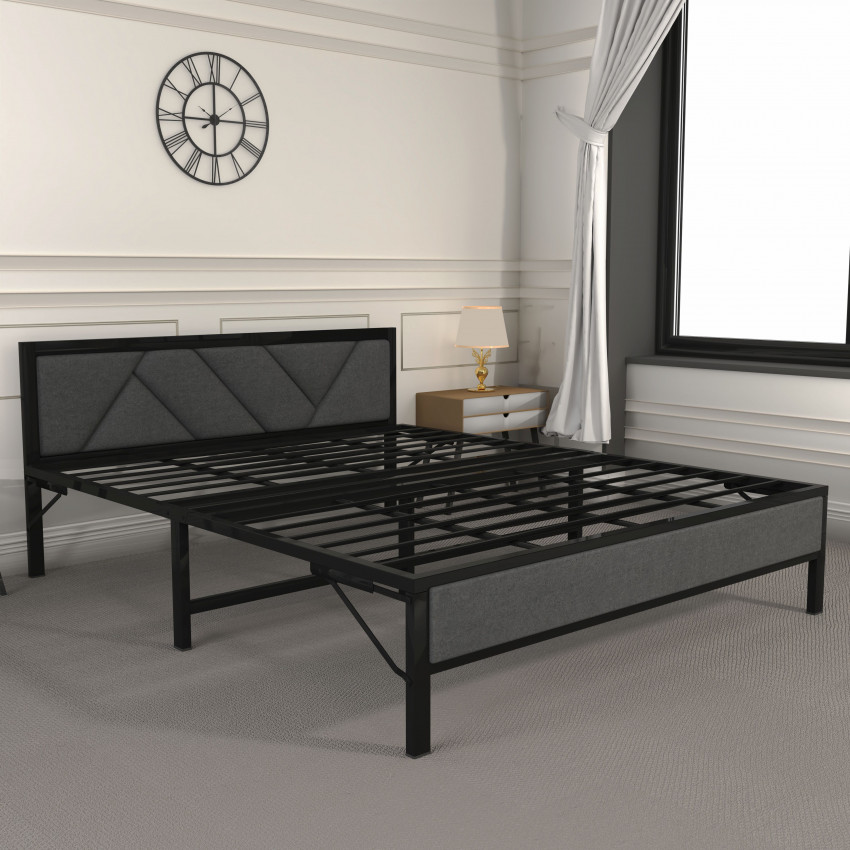
This is one reason metal furniture can be a practical choice for bedrooms. Metal surfaces are generally easy to wipe and clean, and metal bed frames can have fewer fabric-covered areas where dust and pests may accumulate compared with upholstered frames.
A well-designed folding metal bed can also make cleaning around and underneath the bed more convenient.
Folding Beds and Mattress Hygiene
A folding bed with ortho tri mattress can be a useful option for guest rooms, compact homes, or rooms where flexible sleeping arrangements are needed.
Because the bed can be folded when not in use, you may have easier access to the surrounding floor area for regular cleaning. However, folding the bed does not automatically prevent bed bugs or dust mites. Regular mattress care, bedding hygiene, and room cleaning are still important.
Always follow the manufacturer’s instructions before folding a bed with a mattress attached, particularly regarding how the mattress should be positioned.
When Should You Call a Professional?
Consider professional pest control if:
- You find live bed bugs.
- You continue finding signs despite cleaning.
- The infestation appears to have spread to multiple areas.
- You are unsure whether the insects are bed bugs.
- DIY treatment has not solved the problem.
For allergy-related concerns associated with dust mites, speak with a healthcare professional if symptoms are persistent or severe.
Final Thoughts
Bed bugs and dust mites are very different problems. Bed bugs are visible insects that feed on blood, while dust mites are microscopic organisms associated with household dust and allergies.
Regular cleaning, proper bedding care, humidity control, mattress protection, and routine inspection can help maintain a cleaner sleeping environment.
Choosing practical bedroom products can also make maintenance easier. Durable metal furniture, combined with a suitable mattress and a well-maintained folding bed with ortho tri mattress, can provide a functional and easy-to-maintain sleeping setup.
A clean mattress is an important part of a comfortable bedroom—but consistent cleaning and early detection are the keys to keeping unwanted pests under control.
-
 August 24th, 2026
 -
 August 10th, 2026
 -
 June 24th, 2026
 -
 May 20th, 2026